Entry · Ref AMMBWEOV
Why Dental Crowns Are a Popular Restorative Treatment
- Posted
- 2026-10-27
- Last amended
- 2026-10-27
- Account
- @griffinyazh940
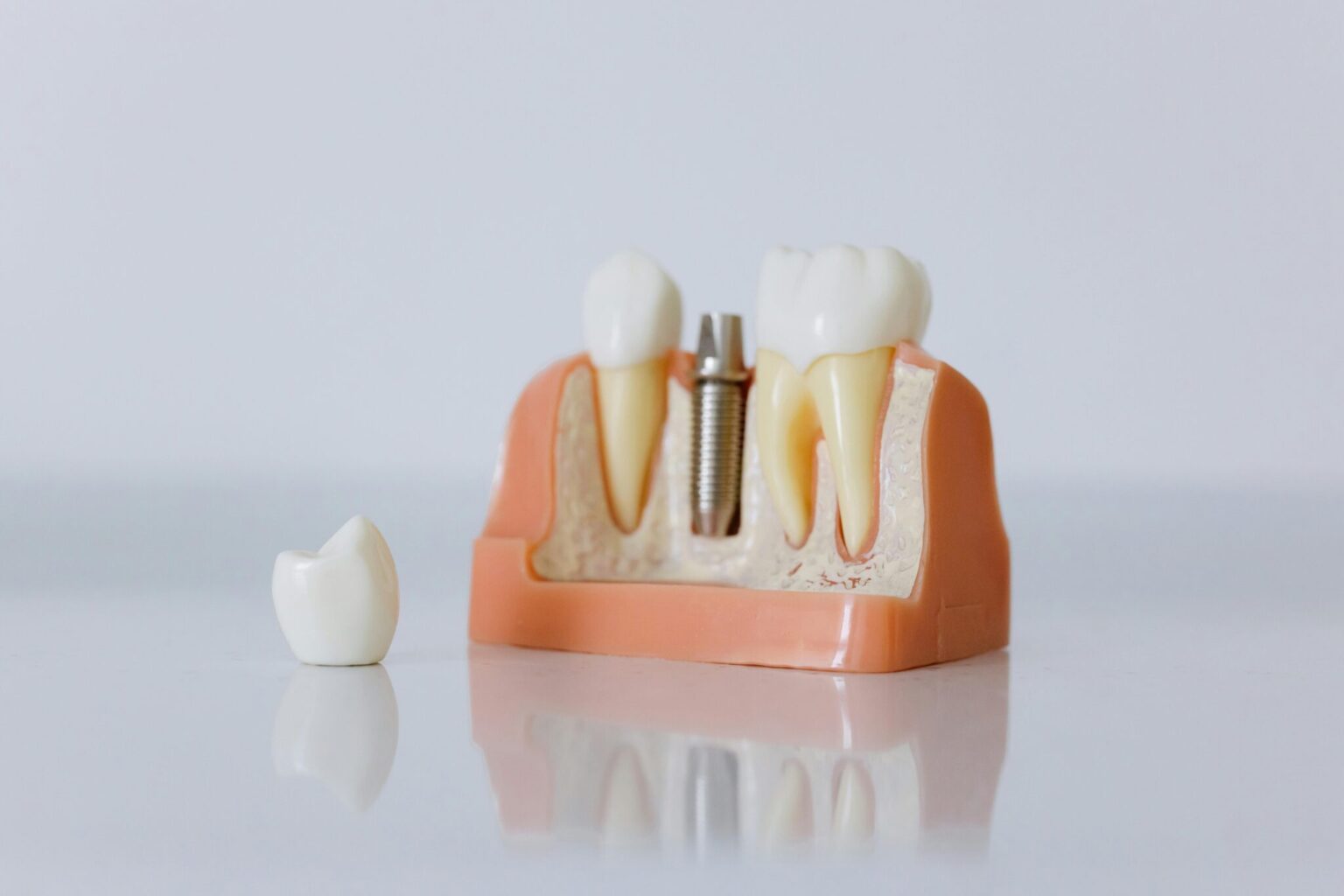
A well-made dental restoration does more than fill a space or cover a flaw. It has to handle pressure, protect what remains of the natural tooth, feel comfortable in the bite, and disappear into the smile as much as possible. That is a tall order. Dental crowns remain one of the most widely used answers because they solve several problems at once.
In everyday practice, crowns sit at the crossroads of strength, function, and appearance. They are used for teeth that have fractured, worn down, been weakened by large fillings, or gone through root canal treatment. They can also improve shape and alignment in selected cases. Patients often arrive thinking a crown is simply a "cap," but that description misses why the treatment has stayed so relevant for decades. A crown is not just a cover. It is a carefully designed restoration that rebuilds how a tooth works.
The popularity of dental crowns comes from that versatility. A single treatment can reinforce a compromised tooth, restore chewing ability, and improve the way a tooth looks. For many people, that combination matters more than any one feature on its own.
What a dental crown actually does
A crown is a custom-made covering that fits over a prepared tooth. Unlike a small filling, which replaces only the decayed or damaged portion, a crown surrounds the visible part of the tooth and becomes the new outer surface. Once bonded or cemented in place, it takes on the job of the lost structure.
That matters because teeth fail in more than one way. Sometimes there is decay so extensive that a filling would not have enough tooth to hold onto. Sometimes an old filling has become so large that the remaining walls of the tooth are thin and prone to cracking. Sometimes the tooth has been treated with a root canal and no longer has the same internal support or moisture balance it once had. In those situations, a crown can preserve a tooth that might otherwise continue to break down.
From a mechanical standpoint, crowns distribute chewing forces more evenly than a patchwork of repairs. Back teeth take a remarkable amount of pressure, often hundreds of pounds of force in strong clenchers. A molar with a wide old filling may survive for years, then split suddenly on a hard crust or a popcorn kernel. A properly designed crown helps reduce that risk by holding the tooth together and giving it a stronger external form.
Why patients and dentists return to crowns so often
The reason crowns stay popular is not marketing. It is practicality. They fit a broad range of real clinical situations, and when chosen appropriately, they tend to perform well over time.
A good example is the heavily restored molar. Picture a patient in their forties with an old silver filling placed in adolescence. Over the years, the metal expands and contracts with temperature changes, the tooth develops small stress lines, and one cusp breaks while eating. At that stage, placing another large filling may be cheaper in the short term, but it often becomes a false economy. The remaining enamel is already compromised. Covering the tooth with a crown is usually the more durable path.
Crowns are also popular because they bridge the gap between preserving a natural tooth and replacing a lost one. Most dentists would rather save a tooth than remove it, provided the foundation is sound. A crown often makes that possible. Patients usually appreciate that too. Keeping the natural root preserves sensation, supports the surrounding bone, and feels more familiar in daily use.
Another reason is predictability. Many dental procedures carry a degree of uncertainty, but crowns are among the more established treatments in restorative dentistry. The materials have improved, digital scanning has refined fit in many offices, and laboratory techniques can produce highly natural results. No restoration lasts forever, but crowns have a long track record that both clinicians and patients trust.
The situations where crowns make the most sense
Not every damaged tooth needs a crown. Conservative treatment is often better when there is enough healthy tooth left. A small cavity deserves a filling, not full coverage. A minor chip in a front tooth may be better treated with bonding. Good dentistry is not about doing more, it is about doing what fits the condition.
Still, there are clear scenarios where crowns shine:
- A tooth has a large cavity or filling and too little healthy structure remains for a dependable repair.
- A tooth has cracked, fractured, or become noticeably weak under chewing pressure.
- A root canal has been completed, especially on a back tooth that absorbs heavy biting force.
- A dental implant needs a final visible restoration.
- A tooth is severely worn, misshapen, or discolored in a way that simpler cosmetic treatment cannot address well.
In practice, the decision often comes down to how much original tooth is left and how the tooth is being used. Front teeth and back teeth behave differently. A front tooth may get more side pressure and visibility concerns. A molar faces heavy vertical forces and must be built for strength. The crown design changes accordingly.
Strength is the headline, but protection is the real story
Most patients focus on the idea that a crown is "strong." That is understandable, but strength alone is not the main point. Protection is. A crown protects a vulnerable tooth from the kinds of stress that cause minor damage to become major damage.
Consider a tooth after root canal treatment. The infection may be gone, the pain resolved, and the inside cleaned and sealed. From the patient's point of view, the tooth feels fixed. Structurally, though, it may be more fragile than before. The access opening, any prior decay, and the overall loss of internal support can leave the crown portion of the tooth susceptible to fracture. Covering it promptly, especially in posterior teeth, is often what turns emergency treatment into a lasting result.
The same principle applies to cracked teeth. Not every crack is the same, and not every cracked tooth can be saved, but many can. A crown can act like a protective shell that reduces flexing and helps prevent the crack from propagating. Timing matters. If treatment is delayed too long, a restorable crack can become a split tooth, and a split tooth often means extraction.
This is one of the reasons dentists sometimes recommend a crown even when the tooth does not hurt much. Pain is a poor measure of structural risk. Some heavily compromised teeth stay quiet until the day they fail.
Aesthetics have improved dramatically
Older generations often associate crowns with a bulky look or a dark line near the gum. That was not imagination. In years past, some materials and techniques made restorations more noticeable, especially around the front teeth. Dentistry has moved forward.
Modern crowns can be made from porcelain, zirconia, porcelain fused to metal, gold alloys, or other ceramic systems, depending on the clinical need. For visible areas, ceramic materials can mimic the translucency, color depth, and surface texture of enamel surprisingly well. In the right hands, a crown can blend so naturally that even close family members do not notice it.
This cosmetic improvement has expanded the appeal of crowns. Patients who once accepted a durable but obvious restoration now expect both function and appearance. They want to chew comfortably and smile without feeling self-conscious. Crowns can often deliver both.
That said, aesthetics are not one-size-fits-all. The best-looking material for a front tooth may not be the best choice for a patient who grinds heavily at night. Likewise, the strongest material may need careful shaping so it does not appear flat or opaque. Selecting a crown is always a balance between strength, translucency, bite demands, and available space.
The treatment is highly adaptable
One reason Dental Crowns remain so common is their flexibility across different cases. They can restore a single tooth, top a dental implant, anchor a bridge, or rebuild teeth worn down by years of grinding. Few restorative options cover that much ground.
Take severe tooth wear as an example. Patients who clench or grind often do not notice the damage until the teeth look shorter, the edges flatten, or the bite begins to change. Rebuilding those teeth requires careful planning. In some cases, crowns become part of a full-mouth rehabilitation, allowing the dentist to restore lost height, improve function, and reduce ongoing breakdown.
Crowns are also useful after trauma. A fall, sports injury, or accident may leave a tooth cracked, discolored, or structurally compromised. If the root remains healthy and there is enough tooth to support it, a crown can restore both appearance and stability far more predictably than repeated bonding repairs.
This adaptability makes crowns a familiar recommendation in general practice, cosmetic dentistry, and prosthodontics alike. Different clinicians may approach details differently, but the treatment itself has broad utility.
Materials matter, and the "best" crown depends on the tooth
Patients often ask which crown material is best. The honest answer is that it depends on where the tooth sits, what forces it handles, and what the patient values most.
All-ceramic crowns are popular for front teeth because they can look very natural. Zirconia has gained popularity because it combines high strength with better aesthetics than many patients Dental Crowns expect. Porcelain fused to metal still has a place in certain situations, though it is less favored in highly aesthetic zones than it once was. Gold, while not fashionable to everyone, remains one of the most forgiving and durable materials for back teeth when appearance is not the priority.
A patient who chews ice, grinds at night, or has a very tight bite may not be an ideal candidate for the most delicate ceramic option. On the other hand, placing an opaque high-strength crown on a single central incisor can create an obvious mismatch if appearance is critical. The treatment plan should reflect the tooth, not a trend.
That clinical judgment is part of why the treatment works so well when it works well. Good crowns are not mass-produced decisions. They are case-specific restorations.
The process is more precise than many people realize
For something patients often think of as routine, crown treatment requires considerable accuracy. The tooth must be reduced enough to create space for the material, but not so much that healthy structure is sacrificed unnecessarily. The margins, where crown and tooth meet, must be clear and clean. The bite has to be adjusted so the tooth carries force appropriately. The shade and contour need to fit the surrounding dentition.
Traditionally, this happened over two visits, with impressions, a temporary crown, and a final placement later. Many offices now use digital scanning, which can improve comfort and, in some cases, precision. Some practices can fabricate certain crowns on site the same day. That convenience appeals to patients, though same-day treatment is not automatically better for every case. Complex aesthetic work or difficult bite situations may still benefit from a skilled laboratory technician's hand-crafted approach.
The temporary crown phase, when it is part of the process, also serves a purpose beyond filling time. It lets the dentist evaluate shape, comfort, and gum response. If a patient says the tooth feels too bulky or catches when flossing, those details can guide refinement before the final crown is cemented.
Cost plays a role, but so does value over time
Crowns are more expensive than fillings, and patients notice that immediately. What is less obvious is the long-term cost of choosing a smaller repair for a tooth that no longer has the structure to support it.
A large filling on a badly weakened tooth may last a year or five years. It may also break unexpectedly, taking more tooth with it each time. At some point, the repair cycle stops being conservative and starts becoming cumulative damage. A crown can interrupt that cycle.
That does not mean every large filling should be crowned preemptively. Plenty of restored teeth function for years without full coverage. The point is that cost should be weighed against risk, replacement frequency, and the consequences of failure. Saving money upfront only helps if the chosen treatment is suitable for the condition.
Patients generally accept crown treatment more readily when they understand this distinction. They are not just paying for a more polished version of a filling. They are paying for reinforcement, custom fabrication, and a better chance of preserving the tooth.
Crowns are durable, but they are not indestructible
One misconception drives many disappointing outcomes: the belief that once a crown is placed, the tooth is invincible. It is not. The restoration may be strong, but the tooth underneath still matters, and the edges where crown meets tooth remain vulnerable to decay if plaque control is poor.
Crowns can chip, loosen, wear, or fail if the underlying tooth develops recurrent decay or if the tooth cracks below the crown line. Heavy grinders can fracture even robust materials. Patients who use their teeth as tools, opening packages or cracking nutshells, can damage restorations faster than they expect.
Good habits extend the life of crowns significantly. The advice is familiar because it works:
- Brush thoroughly at the gumline, where plaque tends to collect around the crown margin.
- Floss or clean between teeth daily to protect the supporting tooth and gums.
- Wear a night guard if grinding or clenching has been diagnosed.
- Avoid using teeth to tear, twist, or bite hard non-food objects.
- Keep regular recall visits so small issues are caught before they become expensive ones.
Many crowns last well over a decade, and some remain serviceable much longer. Longevity depends on material, bite forces, oral hygiene, decay risk, and the quality of the underlying tooth. It is better to think in terms of maintenance than permanence.
The trade-offs patients should understand
Popular does not mean universally ideal. Crowns involve removing tooth structure to create room for the restoration. That is sometimes necessary and absolutely worth it, but it is still a trade-off. A healthy, minimally damaged tooth should not be crowned casually.
There is also the issue of sensitivity and pulpal response. Most crown preparations go smoothly, but a small number of teeth become irritated after preparation, especially if there was already a deep filling or borderline nerve health. Occasionally a tooth that receives a crown later needs root canal treatment. That is not the norm, but it is a known risk and should be discussed honestly.
Fit and gum health matter too. A crown that looks fine in the mirror can still trap plaque if the contour is off or the margin is poorly adapted. This is why precision in preparation, impression or scan quality, and laboratory work all matter. A crown is not successful simply because it stays attached. It should support healthy gums, a stable bite, and comfortable function.
Then there is the human factor. Some patients adapt to new restorations instantly. Others notice subtle changes in shape or contact for several days or weeks. That adjustment period is normal, but it underscores the fact that crown treatment is not just about materials. It is also about how the mouth perceives changes.
Why Dental Crowns continue to earn patient trust
Treatments become popular for one of two reasons. Sometimes they are fashionable for a while. Other times they keep proving their worth in ordinary, unglamorous situations, year after year. Dental Crowns belong firmly in the second category.
They are trusted because they meet common dental problems with a practical solution. They can save compromised teeth that are still worth saving. They can restore chewing ability with a high degree of predictability. They can improve appearance without sacrificing Dental Crowns function. They are not perfect, and they are not the answer for every damaged tooth, but they consistently fill a space that few alternatives cover as well.
Patients feel that reliability in everyday moments. They notice it when they can chew on a previously sore side without hesitation. They notice it when a front tooth blends into the smile instead of drawing attention. They notice it years later when a tooth that once seemed headed for extraction is still doing its job.
That is ultimately why crowns remain such a popular restorative treatment. They respect a simple goal that matters to both dentists and patients: keep the tooth useful, keep it comfortable, and keep it looking like it belongs.
Omni Dental Specialty
1690 E Gonzales Rd, Oxnard, CA 93036, United States
+1 805-410-9603
FAQ About Dental Crowns
How long do crowns last on teeth?
A dental crown often lasts about five to fifteen years, although some last longer. Material, the underlying tooth, oral hygiene and grinding habits affect longevity. Regular dental examinations help identify wear, decay or a loose crown; no lifespan is guaranteed.
How much does a tooth crown cost?
There is no single price for every crown. Material, laboratory work, the condition of the tooth and any additional treatment affect the fee. Ask for a written estimate and confirm your insurance benefits, exclusions and out-of-pocket costs before treatment.
What is the downside of crowns on teeth?
A conventional crown usually requires irreversible removal of some tooth structure. Possible problems include sensitivity, chipping, loosening and decay at the crown margin; some teeth later need root canal treatment. Discuss your tooth's condition, material choices and suitable alternatives with your dentist.